
Opis
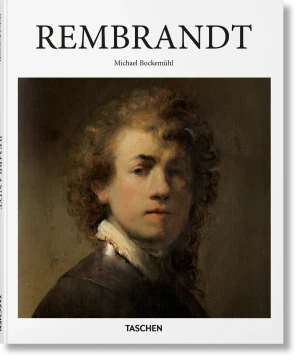
Rembrandt van Rijn (1606–1669) spent his entire life in the Netherlands, yet his impressive collection of paintings, drawings, and etchings significantly altered the trajectory of Western art. His extensive body of work includes religious, historical, and secular scenes, in addition to a remarkable array of portraits and self-portraits. Rembrandt’s art is distinguished by its focus on texture, light, and detailed observation. His subjects, emerging like unexpected figures from the darkness, are often illuminated against dark backdrops, revealing an intricate physical and psychological depth. Whether depicting biblical or mythological characters, influential patrons, or ordinary individuals, Rembrandt infused each subject with precise features and a depth of emotion that revitalized familiar stories such as the biblical tale of David and Bathsheba with newfound drama. Notably, he created one of the most comprehensive series of self-portraits of any artist, documenting his own visage from his early years until his death. Rembrandt’s ascent occurred alongside the Dutch Golden Age, a period of significant prosperity in the Netherlands. Although supported by affluent patrons, his primary inspiration came from a deep-seated curiosity about the human experience. This book explores some of Rembrandt’s seminal works, delving into his techniques, influences, and exceptional contributions. From the Baroque drama of Belshazzar’s Feast to the iconic Night Watch, we explore a universe rich in color, exemplary craftsmanship, and profound insight into the human psyche.