
Opis
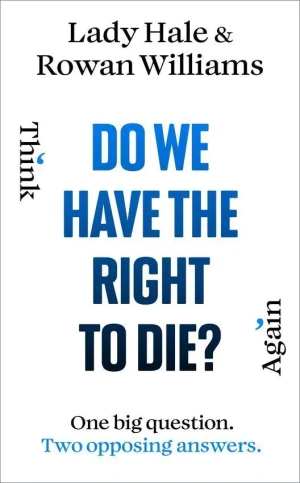
In this enlightening book, two prominent figures tackle the contentious issue of assisted dying, one of the most pressing ethical dilemmas of our era. As discussions intensify around the potential legalization of assisted dying in the United Kingdom, the debate remains polarized. The book refrains from offering simple slogans and instead provides a thorough exploration of the legal and ethical complexities surrounding the issue. It examines the delicate balance between personal autonomy and societal safety, individual choice, and communal responsibility.
Lady Hale, the former President of the Supreme Court, advocates for the individual’s right to determine the timing and method of their own death. She brings insight from real legal cases, discussing how laws might be structured to ensure safeguards while preserving personal autonomy for those enduring intolerable suffering. On the opposing side, Rowan Williams, the former Archbishop of Canterbury, argues against the notion of an absolute right to die. He emphasizes the moral and practical considerations that must account for protecting vulnerable groups, including those with disabilities, the challenges faced by an overstretched NHS, and the fear that assisted dying might replace well-funded palliative care.
The discourse also delves into pivotal questions regarding eligibility for assisted dying, the authorization of such decisions, the logistics of implementation, and the role of modern medicine. Ultimately, the book addresses a profound question: how can a public healthcare system universally maintain dignity, and what does it truly mean to ensure that everyone has the opportunity for a dignified death?
This thought-provoking work is published in collaboration with Intelligence Squared, an esteemed platform for debates, and is a part of the Think Again series. The series aims to present concise books that offer two distinct yet compelling perspectives within a single volume.