
Opis
A spectre looms over Europe and the world today, not of communism as in past centuries, but of capitalism. Marx's once confident anticipation that the state would naturally dissolve has turned out to be misguided, and he overlooked the despotic regimes that have claimed allegiance to his ideology. Witnessing these regimes would have likely horrified him. Nevertheless, Marx's scrutiny of the harsh realities and threats posed by unchecked capitalism remains as relevant today as it was in his time. Many of his proposed reforms, such as the progressive income tax, abolition of child labor, and widespread access to education, have become widely accepted norms.
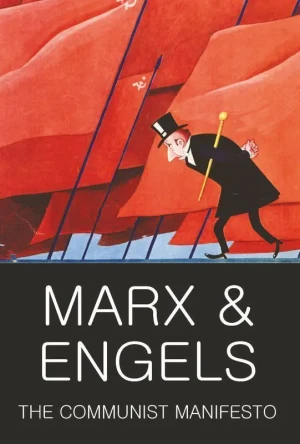
In our current era, where the specter of communism no longer tempers capitalist ambitions, “The Communist Manifesto,” along with Engels's clear and concise work "Socialism: Utopian and Scientific," is essential reading for understanding Marxist theories. Engels's first major work, "The Condition of the Working Class in England in 1844," stands as a seminal exploration of Victorian England's working class, comparable only to Henry Mayhew's "London Labour and the London Poor" in its detailed portrayal of labor conditions during that time.