
Opis
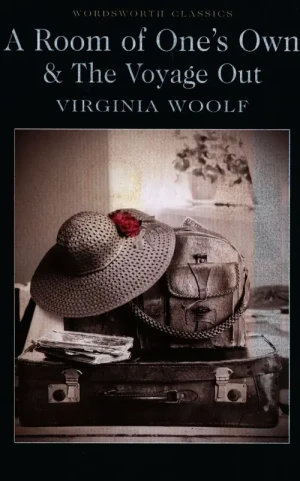
Virginia Woolf's "A Room of One's Own" (1929) stands as a seminal feminist essay and arguably her most recognized piece, while "The Voyage Out" (1915) holds prominence as her debut novel. Both works delve into the roles of women within the societal power dynamics of their times. The essay exposes the challenges faced by female artists in asserting their voices, hindered historically by the lack of social and financial independence that men have traditionally enjoyed. Woolf argues convincingly that for women to achieve creative equality with men, they require financial independence and personal space. This message is both an insightful critique and an empowering call to action, maintaining its relevance well into the 21st century. In "The Voyage Out," these themes unfold through the experiences of Rachel Vinrace, a young woman whose journey to South America brings her into contact with a diverse array of individuals. Through these interactions, she discovers both the joy and the harsh realities of love. Woolf skillfully depicts the nuances of English social customs in a foreign setting, though the novel also carries a tragic note, as it poignantly highlights the fundamental solitude of the human condition.