
Opis
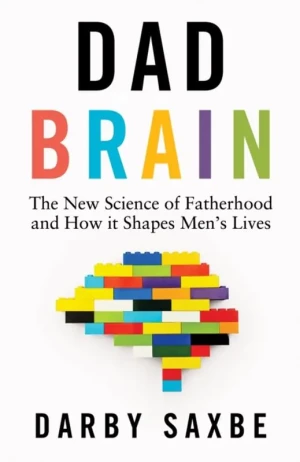
A pioneering study offers new insights into the ways in which becoming a father impacts men's brains, bodies, and relationships, drawing from one of the few longitudinal studies focused on this transition. Key findings reveal that fathers experience brain size reduction and a decrease in testosterone levels. Contrary to earlier beliefs, they also go through several hormonal changes once thought to be exclusive to women. Fathers may suffer from postpartum depression but tend to enjoy improved long-term health outcomes. They are also seen to be effective managers, and their unique approach to play helps enhance their children's resilience. In Western cultures, fathers tend to get less sleep compared to mothers, yet mothers often report poorer sleep quality. Additionally, dads who engage more in household chores are generally happier, and many women express a preference for the so-called "dad bod."